
Okay, so check this out—I’ve been juggling browser wallets for years. Wow! At first glance Rabby looked like another wallet in a crowded field, but then things got interesting. My instinct said: this one’s different, and not just in small ways; there were actual design choices that felt like they were made by people who use DeFi every day, not by a marketing team.
Whoa! The interface is clean. It loads fast. And the permission model is… thoughtful, which surprised me. Initially I thought it was just another UX polish, but then I realized those little bits—per-site allowance, granular approvals, and gas controls—actually change daily behavior. On one hand it’s subtle; on the other, it reduces friction in a way that matters when you’re swapping across chains or interacting with farms.
Here’s the thing. I value security above all. Really? Yep. I sleep better when my wallet doesn’t try to do too much for me automatically. Rabby doesn’t. Instead it gives you explicit choices—connect, sign, approve—so you feel in control. That control is calming. I’m biased, but for power users and casuals alike, that tradeoff is worth it.
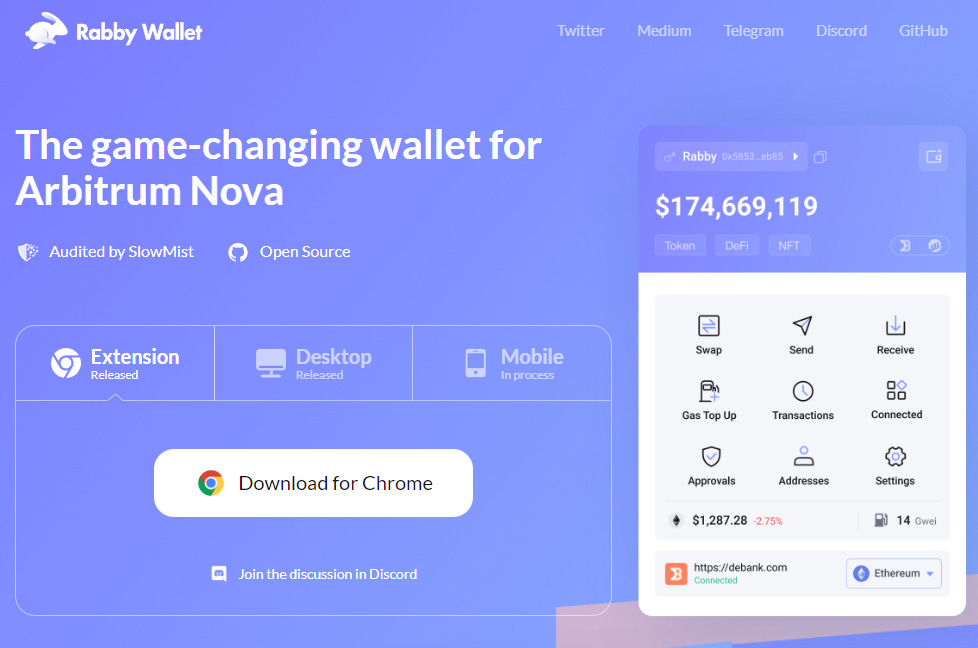
How Rabby balances convenience and security
First: account management is straightforward. It supports multiple accounts and chains without the weird fumbling you get when switching RPCs in other extensions. Hmm… that’s weirdly underrated. When you’re hopping between Ethereum, BSC, and an L2, you want to move fast. Rabby makes that move feel natural rather than kludgy.
Second: approvals are granular. Instead of blanket approvals, Rabby prompts you at the contract level and shows token allowances clearly. That alone stops a lot of accidental approvals. Something felt off about other wallets that hide allowances—Rabby puts them front and center, which is refreshing.
Third: hardware wallet support. You can pair Ledger (and other devices) and keep private keys offline while using the extension as an interface. On one hand it adds a step; on the other it’s a huge security win, especially for folks who hold larger balances. Actually, wait—let me rephrase that: it’s basically mandatory if you’re storing serious funds.
Gas controls deserve a mention. You can set speed vs cost, and Rabby surfaces estimated execution outcomes more clearly than most. That helps avoid those failed transactions that drain fees. Plus, the transaction details page tells you where the call is going and what method is being executed, so you can make a judgment call instead of blindly approving.
Okay, small gripe. Some RPC lists are user-submitted and can be messy. I had to prune a few that were flaky. But that open ecosystem also means flexibility—you can add your own nodes or private RPCs if you want to. (oh, and by the way…) It felt very much like a tool built for tinkerers.
Cool feature: transaction simulation. Rabby simulates calls and flags risky behavior like grant approvals for massive allowances. That reduces the “oops” moments where you accidentally give a contract sweeping approval. My gut told me this would be gimmicky, but it actually saved me from a bad approval that would have been a headache. Seriously?
Rabby’s multi‑chain support is not just about switching networks; it’s about workflow. You can manage assets across Layer 1s and Layer 2s without losing context, and the token display is clear. On more than one occasion I avoided sending funds to the wrong chain because Rabby made network mismatches obvious. That little UX nudge is very very important.
One more thing: permission notifications. The extension shows per-site permissions and you can revoke them quickly. I can’t tell you how many times that saved me from an unwanted persistent connection. It’s a small defensive practice, but it adds up when you’re in the weeds of DeFi every day.
Download and get started
If you want to try Rabby yourself, here’s the official place I use to download and verify the extension: https://sites.google.com/cryptowalletextensionus.com/rabby-wallet-download/ —it’s the first stop I send friends who ask me how to set up a secure multi-chain browser wallet.
Set-up takes just a few minutes. You’ll create or import a seed phrase, configure your preferred networks, and (if you want) connect a hardware wallet. There’s a learning curve if you’re new to gas strategies and approvals, but Rabby’s UI eases you into those concepts instead of hiding them behind jargon. I’m not 100% sure everyone will love the default layouts, but they’re sensible and non-invasive.
Something else that bugs me: mobile integration is still a work-in-progress for many extension-first wallets. Rabby handles WalletConnect flows cleanly, though, so your mobile dApp sessions are manageable and not completely divorced from the extension experience. That matters if you use both desktop and phone daily.
For teams or power users, the account import/export flows are adequate. There are export options for CSV of transaction histories and the UI puts lots of relevant details at your fingertips, which is handy for audits or bookkeeping. It’s not perfect accounting software, but it’s a solid bridge between casual wallet use and professional monitoring.
FAQ
Is Rabby safe to use with large amounts?
Short answer: yes, if you pair it with a hardware wallet and maintain good OPSEC. Long answer: Rabby itself is well-audited in terms of UX configuration and permission handling, but wallet security is layered—private keys, device hygiene, and phishing awareness all matter. My instinct said: don’t store everything in one hot wallet—spread risk. So use Rabby for active management and keep vault funds offline.
How does Rabby compare to other browser wallets?
Rabby emphasizes granular controls and multi‑chain workflow. On one hand it’s less flashy than some competitors; though actually, that restraint is a feature for power users who want fewer surprises. If you care about explicit approvals, clear gas management, and hardware wallet compatibility, Rabby stacks up very well.
Can it block malicious dApps or scams?
It helps. Rabby flags suspicious approvals and simulates transactions, which reduces risk. But no wallet is a silver bullet. You still need to check contract addresses, use vetted bridges, and practice caution. I’m biased toward layered defenses: device, wallet practices, and mental checks.
